
Spielzeit
Psychologie und Beratung
Seit rund 40 Jahren widmen wir unsere Arbeit grossen und kleinen Menschen mit Krankheit, Trauma und Behinderung sowie ihren Angehörigen. Mit neuen und spezialisierten psychologischen Ansätzen engagieren wir uns für die psychologische Begleitung und Psychotherapie besonderer Anliegen.
In Schulen, sozialpädagogischen oder medizinischen Einrichtungen sowie anderen Fachstellen unterstützen wir Fachpersonen in psychologischen Fragen mit Beratung und Vorträgen.
In der Spielzeit akzeptieren wir körperliche und geistige Unterschiede und lassen sie wertfrei nebeneinander bestehen, denn «anders» sind wir alle.
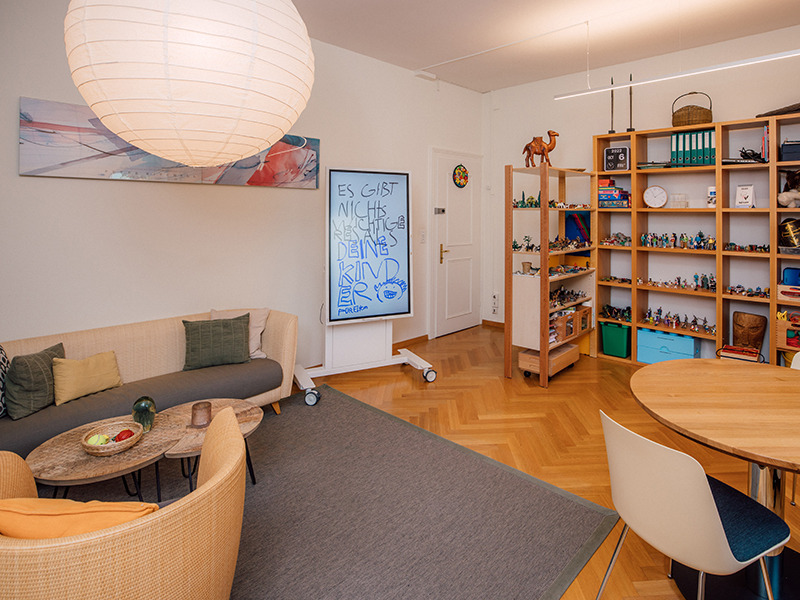
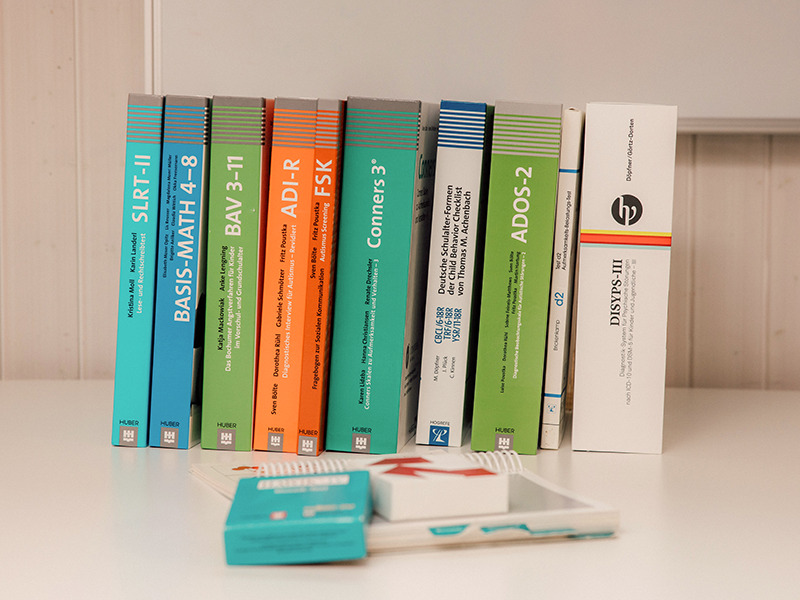
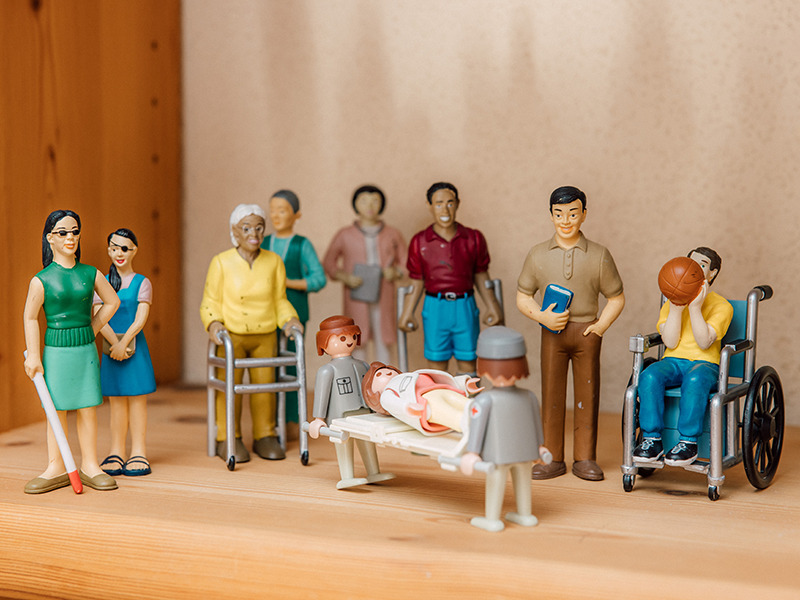
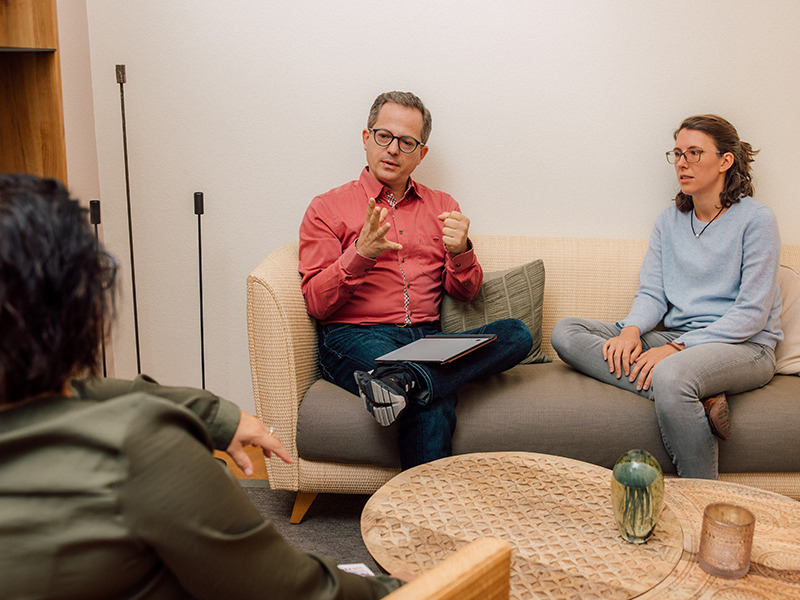
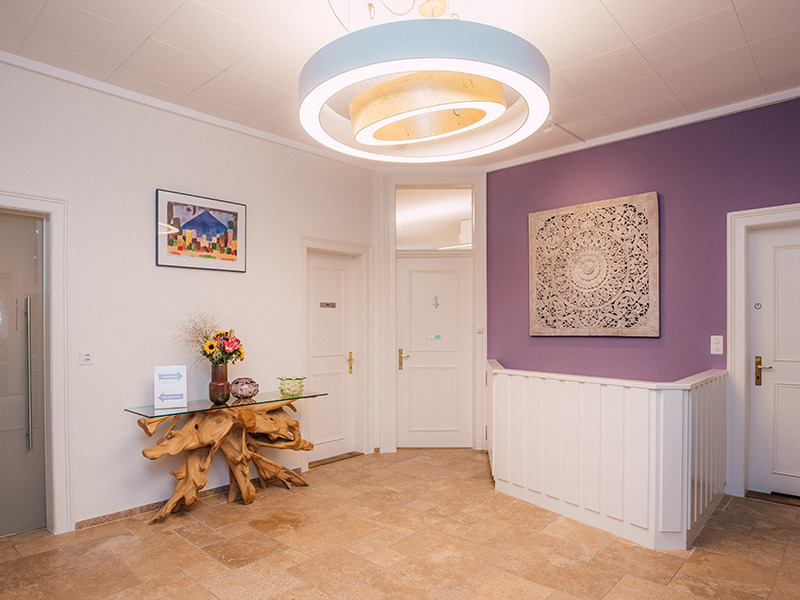
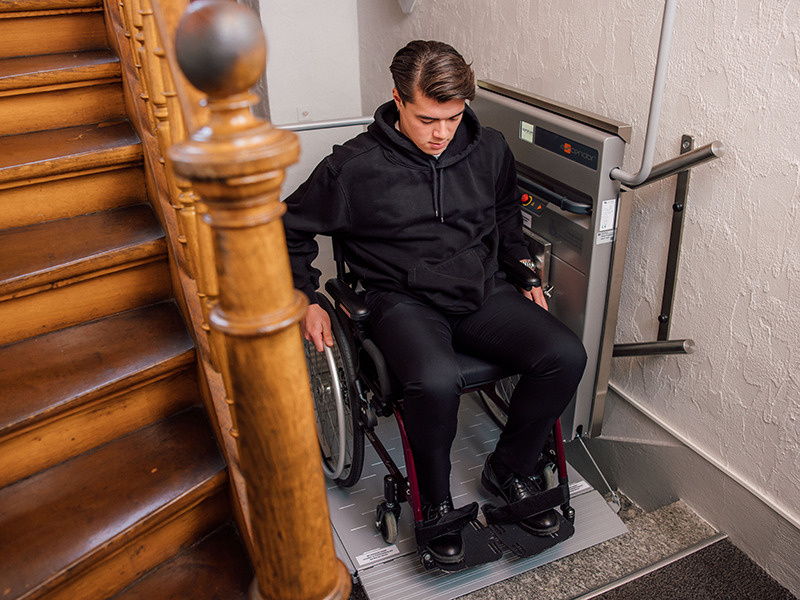
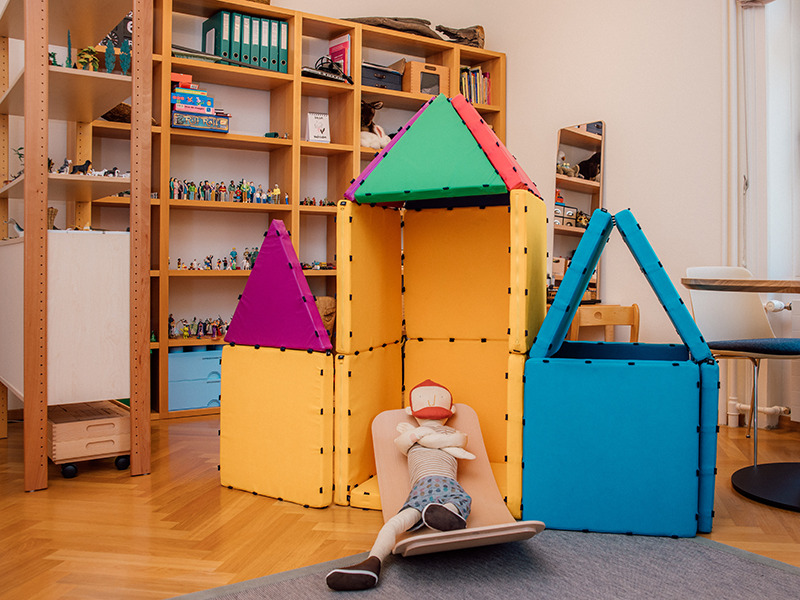
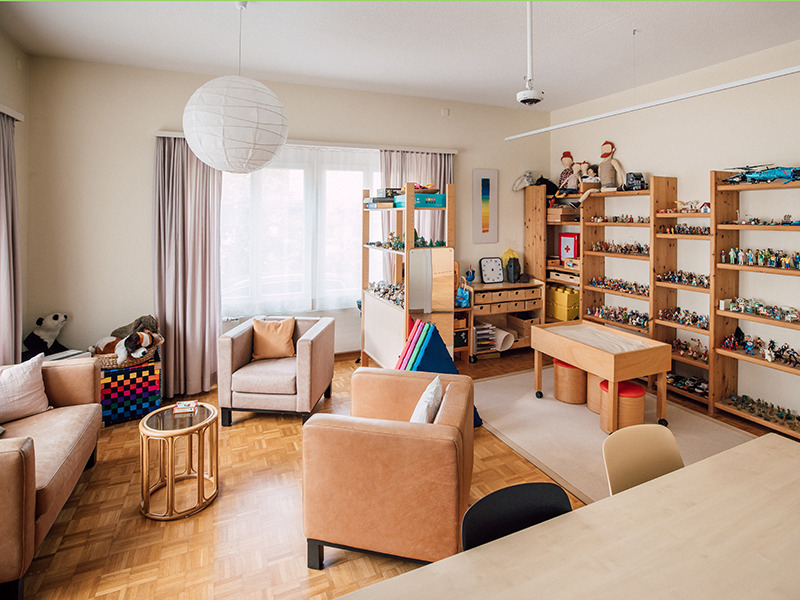
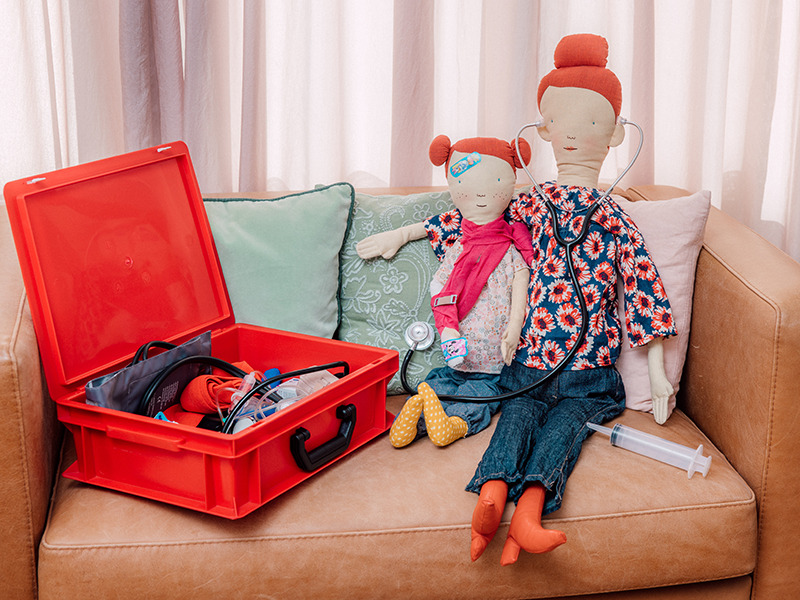
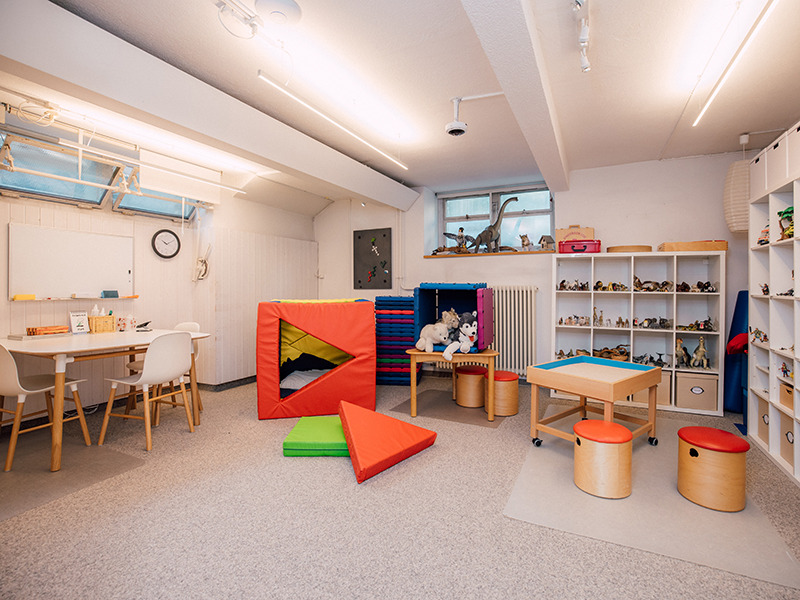
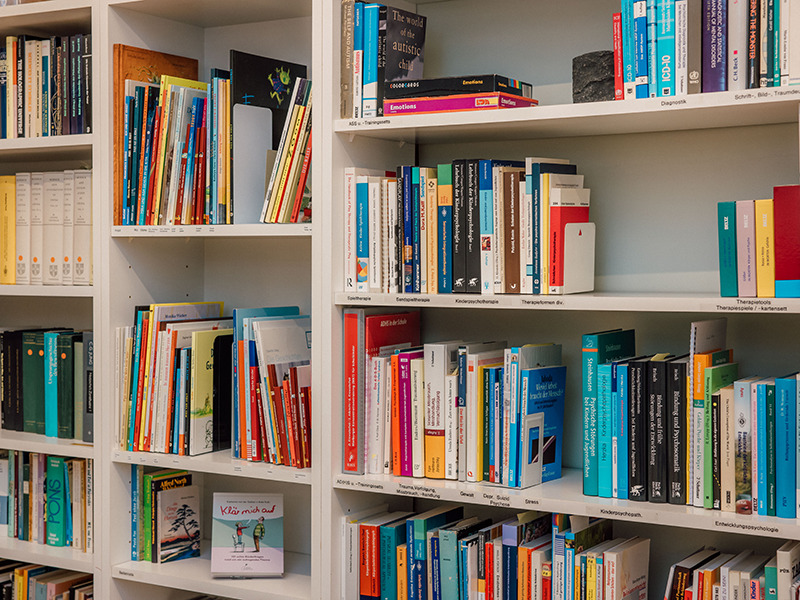
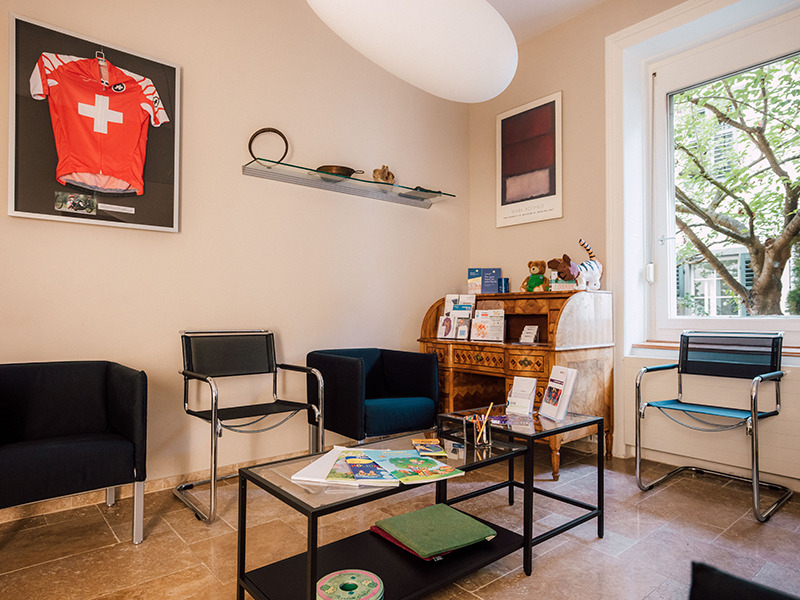
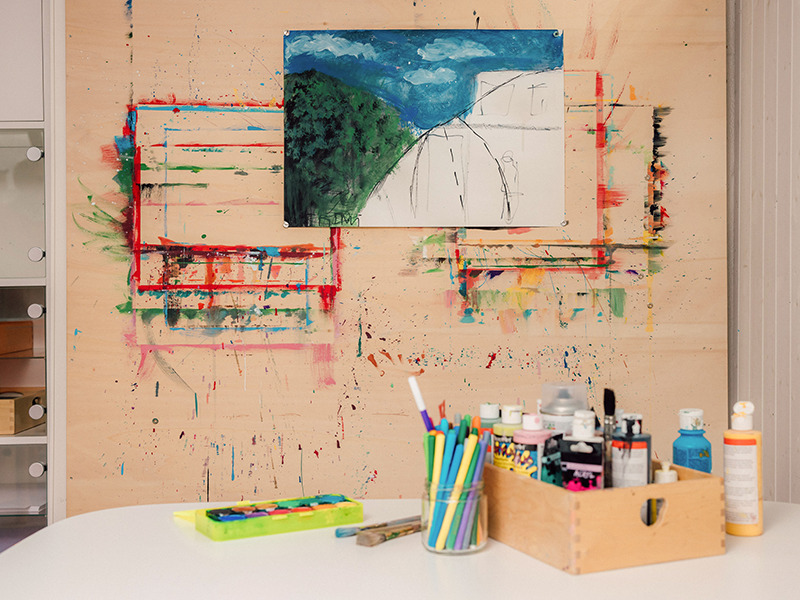
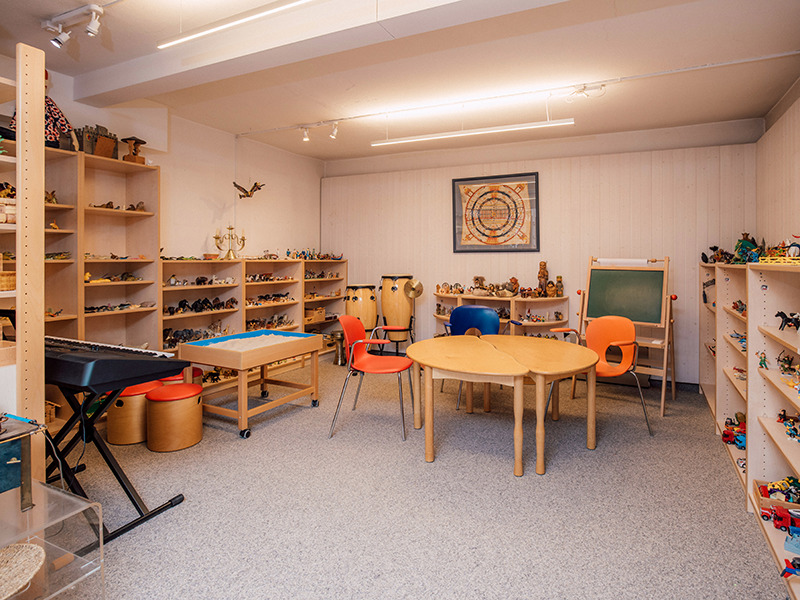
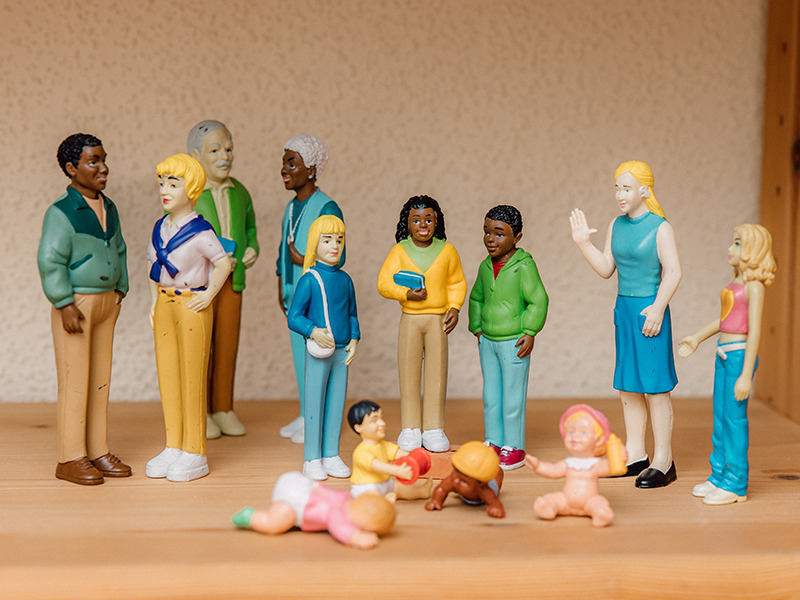
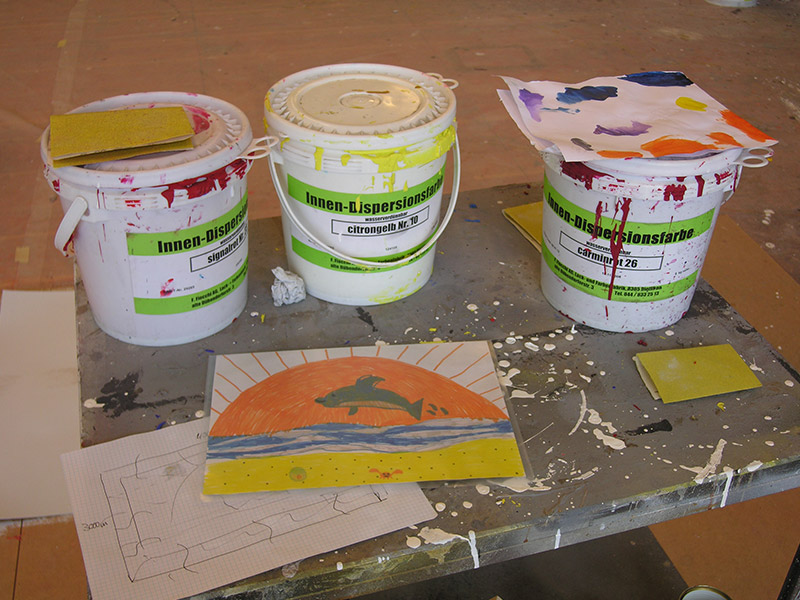
Spielzeit: Aufgehoben in einem wertschätzenden Umfeld.
Team Spielzeit
Zusammenarbeit selbständiger Fachpersonen
Mit schlanken Strukturen auf wenigen Ebenen stellt die Spielzeit Motivation, Ideen und Kreativität in den Mittelpunkt, damit sich aus dem Teamwork der selbständigen Fachpersonen neue Kompetenzen entwickeln können.
Ziel des Spielzeit-Teams ist stets die Unterstützung und Verbesserung der psychischen Gesundheit und damit der Lebensqualität von Menschen mit Behinderung, Krankheit oder psychosozialen Belastungen.
Gemeinnützigkeit
Non-Profit-Organisation
Die Spielzeit ist eine gemeinnützige Organisation der psychologischen Psychotherapie, die von der Schweizer Stiftung The M.-L von Franz Institute for Synchronicity (MLFI) getragen wird. Das MLFI untersteht der Eidgenössischen Stiftungsaufsicht ESA.
Ihre Spende ist wichtig
Damit wir Heranwachsenden mit schwerer Belastung, Krankheit oder Behinderung helfen können, sind wir auf Spenden angewiesen. Keine Familie sollte mangels finanzieller Mittel und mangelnder staatlicher Kostendeckung allein mit einem Kind oder Heranwachsenden mit schweren Belastungen dastehen.
Erfahren Sie mehr über die verschiedenartigen Spendemöglichkeiten oder nutzen Sie gleich jetzt unsere Online-Spende-Tools.
Unser Leitgedanke
Ob krank, behindert, belastet, gesund, glücklich, anders oder normal: Wir sind alle einzigartig und wir sind alle eine Facette eines lebendigen farbigen Gefüges, das sich menschliche Vielfalt nennt. Mit unserem Leitgedanken «Es ist anders, normal zu sein.» setzen wir die Andersartigkeit in den Mittelpunkt.